

What are the Different Types of baby allergies?
Like older children and adults, babies can have allergies to the foods they eat, the things they touch, and the unseen particles they inhale in the home or outdoors. And when your baby has symptoms of any kind, it can be difficult to figure out what’s wrong because a little one can’t describe those symptoms. Baby allergies are common therefore, there are many specific allergies a baby can have, though they can generally be divided into one of three categories:
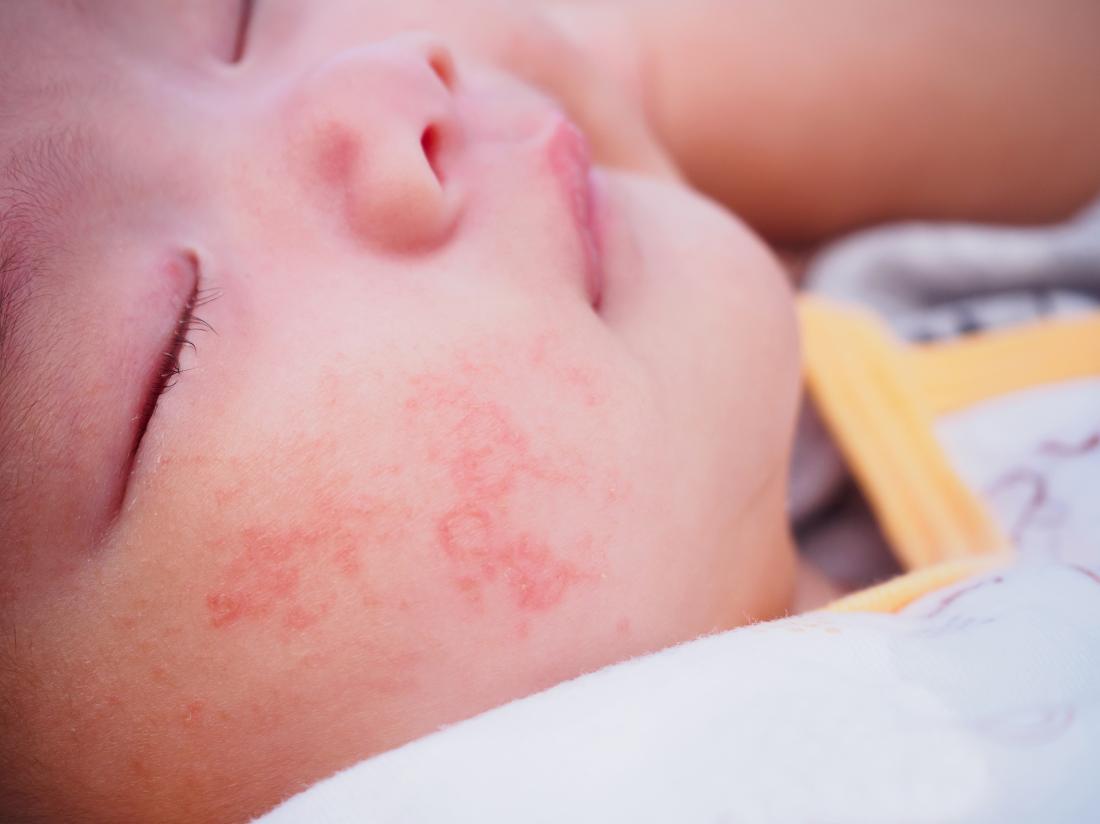
- food and medicine
- environmental
- seasonal
Allergic reactions to food or medications usually happen soon after an item has been consumed. They can be either very mild or life-threatening. Environmental allergies can be things that touch your baby’s skin, such as detergent in clothes, or things that are inhaled, such as dust. Environmental allergies can affect your baby year-round. Seasonal allergies, however, are usually a problem during certain parts of the year or in specific locations. They tend to originate outdoors from trees and other plants that grow in the area. The term “hay fever” is sometimes used to describe these allergies.
Table of Contents
When do seasonal allergies be signs of baby allergies?
It’s uncommon for babies to have seasonal allergies in the first year. That said, it’s possible for allergy symptoms to begin at any age.
Kids tend to develop seasonal allergies between the ages of 3 and 5, with most young allergy sufferers noticing symptoms by the time they’re 10. Some kids develop allergies as young as 1 or 2 years old, although usually they’re reacting to indoor allergens like dust, mold or pet dander.
What causes seasonal allergies in babies and toddlers?
Seasonal allergy symptoms usually occur during spring, summer and fall. Depending on where you live, the seasons and specific plants causing allergies vary. Unfortunately, no region of the United States is completely untouched by allergy triggers.
When your little one inhales one (or more) of the following seasonal allergens, her immune system churns out antibodies that jumpstart the release of a protein called histamine, which causes allergy symptoms:
- Spring allergies (typically March to May or June): Tree pollen. The most common culptrits — cedar, birch, oak, maple and pine — are found in most parts of the U.S. The farther south you live, the earlier the season usually starts.
- Late spring to summer allergies (typically April to June or July): Grass pollen. Grasses, including Bermuda, orchard, brome, rye and Timothy, are more likely to produce symptoms in late spring and early summer in the northern states, but are always problematic in the South, since grasses there pollinate year-round.
- Late summer to fall allergies (typically August to September or October): Weed pollen (usually ragweed but also plantain, nettle, chenopod or sage). Ragweed grows in nearly every climate and is the biggest source of hay fever symptoms.
When to seek help for allergies
If very mild symptoms come and go quickly, take note of what happened and what may have caused it. Did your baby visit a new park or a home with a pet? Did they recently try a new food? Did you switch detergents or start using a new cleaning product in the home? Temporary, mild symptoms don’t require a doctor’s visit, but they are worth remembering for your baby’s next appointment or if you notice those signs again. If symptoms don’t subside within a day or they worsen, however, call your pediatrician’s office and explain what you’ve observed. The same advice holds for a reaction to a new medication. An immediate reaction, even a mild one, should prompt a call to the pediatrician. If signs of anaphylaxis emerge, call your local emergency services and treat it as a medical emergency. Don’t hesitate, as anaphylaxis can be life-threatening.

How to treat allergies in babies
The main treatment for a baby allergy is to eliminate exposure to the allergen. For example, if cat fur is the culprit, then you’ll have to keep your baby away from the neighbor’s kitty. If milk is the problem, you’ll need to adjust your diet if you’re breastfeeding or your baby’s diet accordingly. If you’re nursing, some allergens in your diet may be reaching your baby through breast milk. However, the benefits to your baby’s immune system that come from nursing (at least through the first six months) usually outweigh any indirect exposure to possible allergens. Medications containing antihistamines are among the most common drugs used to treat allergies. Antihistamines help minimize allergic reactions. However, most antihistamines aren’t recommended for children under the age of 2. Check with your doctor before using any medication for a baby’s allergic reaction, and be sure to read the warning labels on any medication. Hydrocortisone cream (Cortizone) may be helpful in treating reactions on your baby’s skin. But again, check with your pediatrician before using a new medication on your baby, even ones that are available over the counter. If anaphylaxis is a risk due to a severe food or insect allergy, then your doctor should prescribe you emergency epinephrine (EpiPen), which can be administered immediately with an injection into the skin. The medication can control symptoms until your baby receives emergency medical care.
Outlook
Baby allergies can be managed, but you may need to make some adjustments to your daily routine. Food allergies can mean changing the diet for everyone in the home. You’ll also need to be especially alert for symptoms because a baby or anyone with one allergy is more likely to have additional allergies. Work with your pediatrician, an allergist, and anyone who looks after your baby, such as a day care center or babysitter, to help manage your baby’s allergies.