
How to Get Rid of Dust and Allergens for a Healthier Home
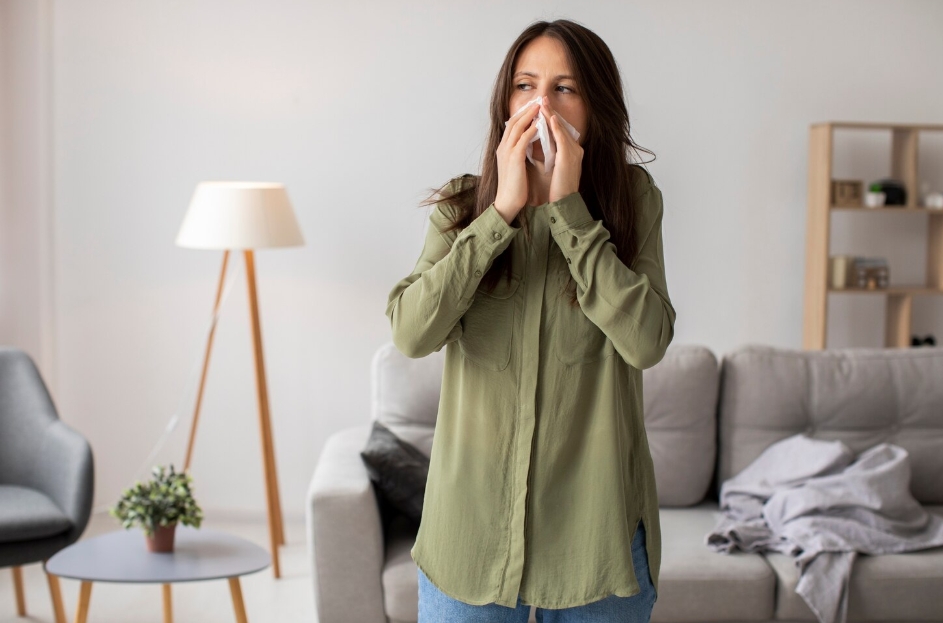
Dust isn’t just a bit of fluff floating around. It hides in corners, clings to curtains, and even settles on your pillow. Mix that with pollen, pet dander, and microscopic mites, and suddenly your home becomes a trigger zone for sneezing, itchy eyes, and stuffy noses.
Allergens often lurk in hidden areas of soft furniture, vents, and forgotten spaces, even though most of them may appear clean at first glance. That’s why knowing where these sneaky irritants hide is so important.
Cleaning them is essential, but no fancy tricks are required. All you need is to follow a few practical steps consistently. Let’s explore what you need to do in detail below!
Table of Contents
Identify Common Sources of Dust and Allergens
Dust doesn’t follow rules. It collects anywhere it wants, especially in places most people skip. Rugs, cushions, ceiling fans, vents, and stuffed animals are major dust-traps. And don’t get us started on locations such as behind the furniture.
Closets also tend to hoard dust thanks to rarely moved shoes and clothes that shed tiny fibres. Under the bed is another overlooked spot where hair, dust, and pet fur tend to gather.
Knowing these hiding spots gives you a head start. Take a walk through each room and note the areas that seem to collect dust the fastest. Once patterns appear, planning becomes easier.
Just keep in mind that allergens like pollen come in waves depending on the season. Spring brings a surge, while fall carries mould spores. Adjust your approach as the weather changes to maintain balance.
Establish a Regular Cleaning Routine
A few wipes here and there won’t do much if allergens are piling up everywhere else. To truly stay ahead, structure is essential. A daily sweep for dust, a weekly vacuum, and a deeper clean every month build a strong defence.
Light tasks, such as wiping countertops and airing out rooms, take only minutes, but they matter. Use weekends or slower days to tackle larger jobs, such as mattress care or baseboard cleaning.
To stay on track, setting reminders on a calendar or an app can help form a solid rhythm. Start with a checklist for daily, weekly, and monthly tasks. Over time, maintenance becomes easier and takes less time.
Use the Right Cleaning Tools
Wiping with the nearest towel might move dust around, but it doesn’t remove it. That’s where smart tools come in. They do more than just clean. They actually make your space safer.
A vacuum with a HEPA filter is worth the investment. It captures nearly every speck, including tiny dust mites and pollen that normal vacuums blow right back into the room. If carpets, rugs, or pets are part of your home, this kind of vacuum should be at the top of the list.
For surfaces, microfibre cloths are unbeatable. They clutch onto dust instead of spreading it around. They’re also reusable. Just toss them in the wash and they’re good to go again. Use them on everything from shelves to electronics.
Opt for Allergen-Proof Bedding
The bed ought to be a place of comfort, not a dusty trap. Yet these tiny pests thrive deep inside mattresses and pillows, triggering allergies while you sleep.
Wrapping your bedding in allergen-proof covers creates a strong barrier that blocks mites from settling in, which is the perfect protection. Another great advantage is that you can always throw them in the washing machine for a spin and they’re good as new.
Maintain Tools and Choose Green Products
Cleaning tools require regular upkeep just like the spaces they clean. Without regular care, they lose their effectiveness. Make sure to rinse out mops after each use, empty vacuum canisters regularly, and replace filters before they become clogged.
At the same time, be mindful when choosing cleaning products. While strong chemical sprays might leave a shiny finish, their lingering fumes can do more harm than good.
Instead, opt for green, plant-based cleaners that clean effectively without irritating skin or lungs. In the long run, they’re gentler on the environment and far safer for anyone sensitive to allergens.
A trusted professional cleaning service that uses eco-conscious products can be a powerful ally against dust and allergens. This type of support is especially beneficial for households experiencing persistent allergy symptoms or sensitive airways.
Optimise Indoor Air Quality
Even if everything looks spotless, the air might still be packed with invisible irritants. That’s where air purifiers come in. Models with HEPA filters work especially well in bedrooms and living spaces, capturing tiny floating particles and making it easier to breathe.
Controlling humidity is just as important. Dust mites and mould thrive in damp environments, so keeping moisture in check makes a big difference. A dehumidifier helps maintain ideal levels—somewhere between 30% and 50%.
On top of that, run exhaust fans in kitchens and bathrooms, especially after cooking or showering. Dry air discourages mould growth and makes rooms feel fresher overall.
Also, don’t forget your HVAC system. Replace filters every month or two, depending on usage. A clogged filter can spread dust through the entire property. When the weather’s nice, crack open a window to bring in fresh air.
Finally, nature can lend a hand. Certain indoor plants, like peace lilies and spider plants, naturally improve air quality. Just go easy on the watering, as too much moisture in the soil can invite mould, defeating the purpose.
Declutter Regularly
Even the tidiest room can turn into a dust trap when clutter takes over. Piles of items provide allergens with more places to settle, and once they’re in, they tend to stay put—the dust clings to every uncovered surface, irritating noses and stirring up sneezes.
Clearing clutter doesn’t just make a space look better. It removes hiding spots and makes daily cleaning quicker and more effective.
Start with one room at a time. Look around and decide what actually gets used. If something isn’t useful or meaningful, it’s probably just sitting there collecting dust.
Once the space is clearer, organise what remains using baskets, bins, or closed containers. Avoid stacking things on the floor or tucking them under beds, as those spots tend to gather dust quickly.
Implement a No-Shoe Policy
Shoes bring in more than just wear and tear. Pollen, pet hair, and street dust all cling to soles and make their way indoors with every step. Implementing a no-shoes rule is a simple way to prevent dirt from spreading throughout the house.
Place a small mat near the entrance to catch debris immediately. Follow this with a shoe rack or basket as a clear reminder to take your shoes off when entering. Then, keep a few pairs of clean indoor slippers nearby so guests and family stay comfortable.
If you have a furry friend, wiping paws after outdoor walks adds even more protection. It makes a big difference in keeping unwanted particles outside where they belong.
Conclusion
A cleaner home isn’t just about what meets the eye. It’s about breathing easier, sleeping deeper, and waking up without that scratchy throat or endless sneezing.
These small choices shape the air and energy in a space. And with a bit of care and attention, even the most ordinary home can become a place that feels lighter, calmer, and much easier to live in.